
Women's Health: Your Body Keeps Time

Female health is rhythmic: defined by the menstrual cycle, shaped by her unique circadian rhythm, and influenced by her personal activity and recovery patterns.
Traditional wearables provide excellent behavioral data, but often fail to place those biosignals in the context of the body's rhythms. Vire wants to change the game by opening the window to rhythm-tuned female health.
Many female users feel current wearables don't fully "get" their situation. While the recorded data is there, it doesn't tell the whole story because these systems don't yet understand the complexity of female biological rhythms.
Temperature is a window into women's wellness
Core body temperature is uniquely eloquent for women. It rises and falls with the circadian rhythm, and it rises and falls with the menstrual cycle, running systematically higher through the luteal phase after ovulation, when progesterone lifts resting energy expenditure.
Once you can see it, you can work with it
What follows are six stories from early Vire users: the same signal, read across a lifetime.
Tired but wired
Exhausted by evening, yet unable to fall asleep, with nights ending in a bright screen and a busy feed.
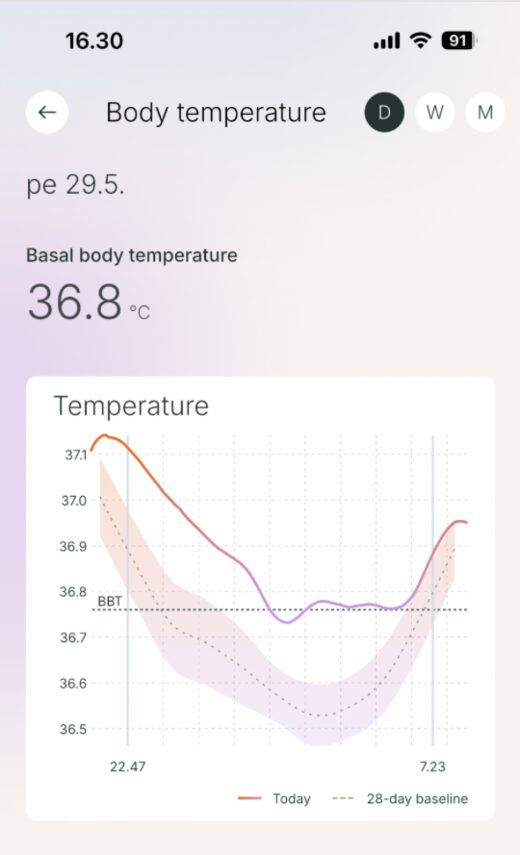
Her temperature kept peaking late, around 10 PM, long after she had expected to be winding down.
She moved the stimulation earlier and gave herself a real wind-down: a little yoga, phone away. Her evening curves are noticeably smoother now.
The first step isn't discipline. It's awareness.

delayed temperature peak
Training with the cycle, not against it
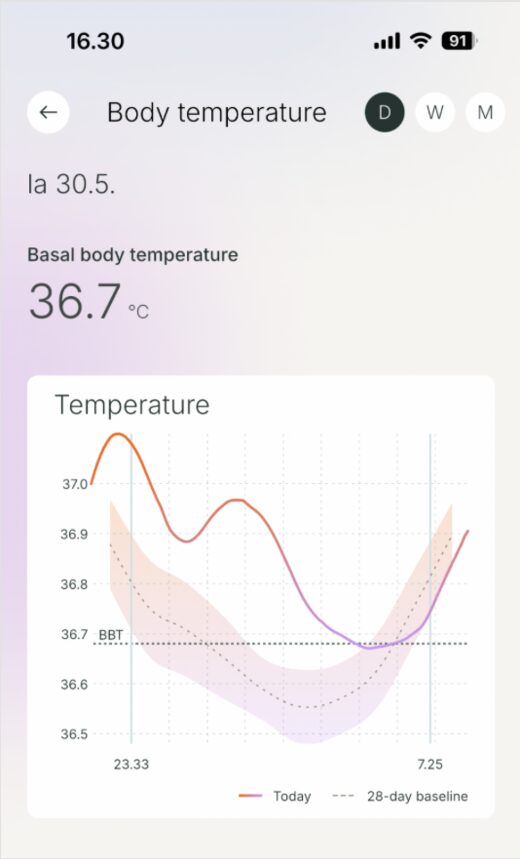
A national-level athlete: training felt harder and recovery slower at certain points in her cycle, especially the luteal phase.
On hard luteal-phase days her evening temperature ran high, mirroring the extra load her body was already carrying.
A shared language with her coach. They tuned the schedule to her cycle, and the self-blame on the tough days fell away.
It's not about doing less. It's knowing when your body is ready to push.

Anticipation instead of guesswork
A working mother with young kids, hitting weeks where her sleep slipped and her mood followed, while the story "I'm just a bad sleeper" quietly wrote itself.
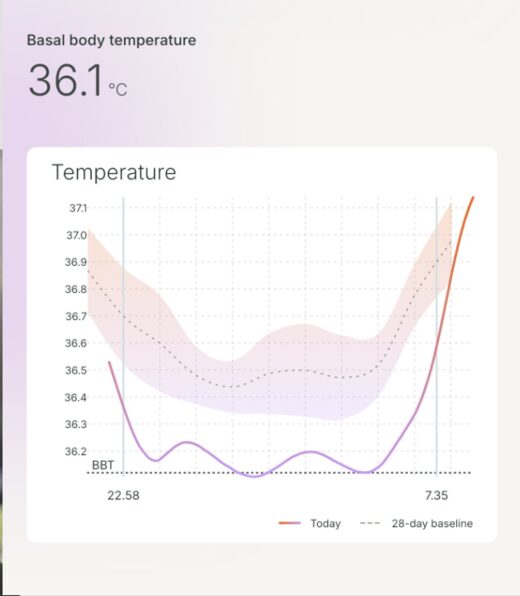
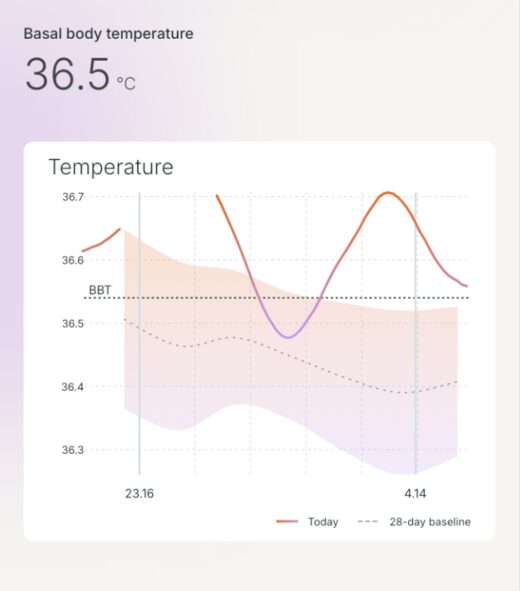
Two very different worlds, follicular nights versus luteal nights, which gave her something to set her rough weeks against.
Now she front-loads recovery ahead of a luteal week, with a bit more meditation and gentler movement, and can see the difference in her own data.
The question shifted from "what's wrong with me?" to "I understand my body."

Reassurance, verified
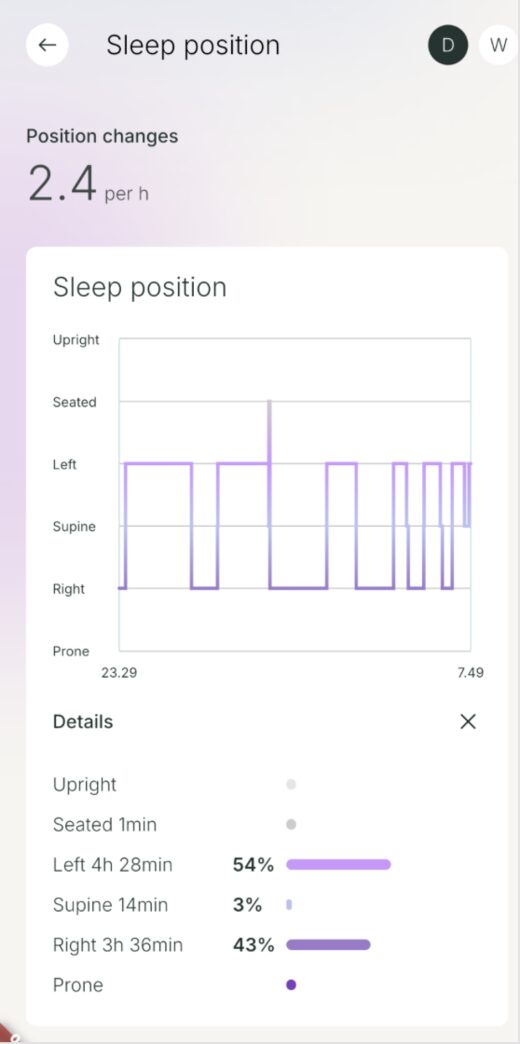
The quiet worries of a first pregnancy, like whether her changing sleep position was still safe for her and the baby.
Vire's sleep-position tracking showed the shift away from her back: she was now spending most of the night on her preferred left side.
Peace of mind. Seeing the pattern in her own data took the pressure off and let her rest easier as the pregnancy went on.
Sometimes the most useful thing data does is let you stop wondering.

Making "random" rough nights measurable
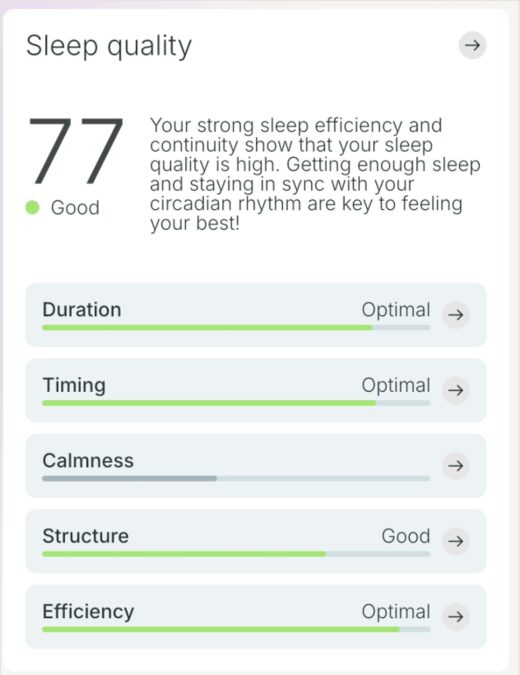
A busy professional and frequent traveler: stretches of fragmented sleep and 3 AM wake-ups, not feeling her best and not knowing why.
Temperature spikes at night lined up with her most stressful days, finally connecting those rough nights to something she could actually see.
Late-night activity out; low lights and a protected wind-down in. And the relief of seeing so many other women's curves look just like hers.
Her body is responding predictably, and that response is something she can work with.
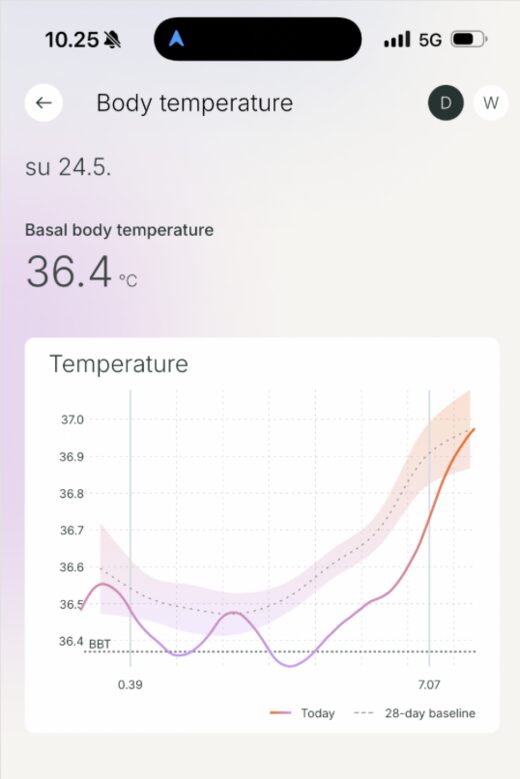
The curve looked exactly like it felt
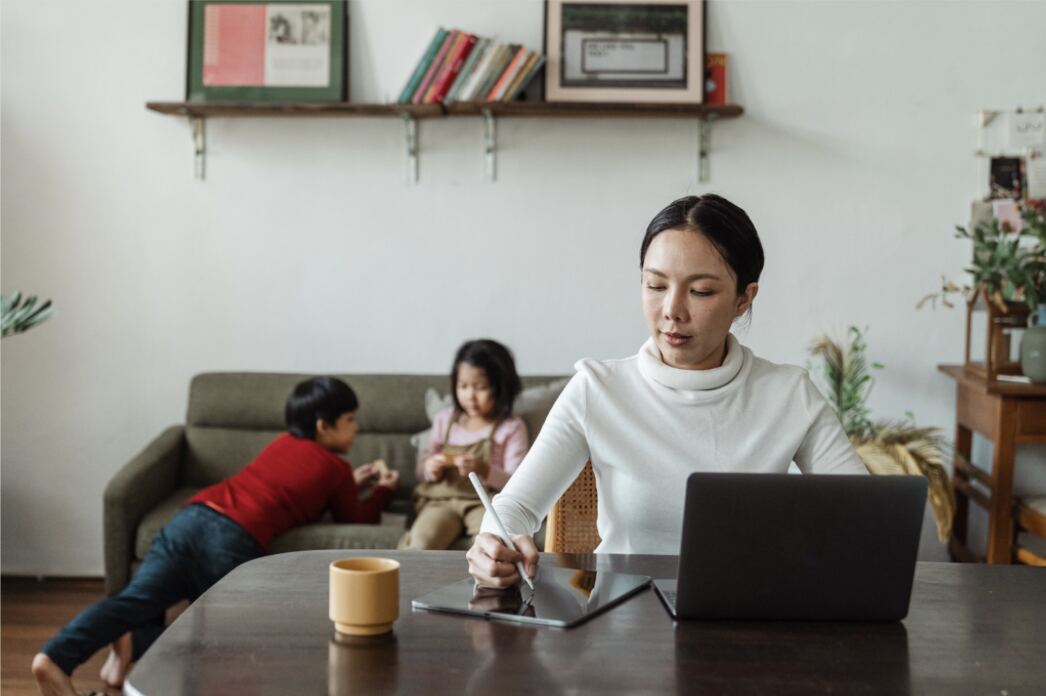
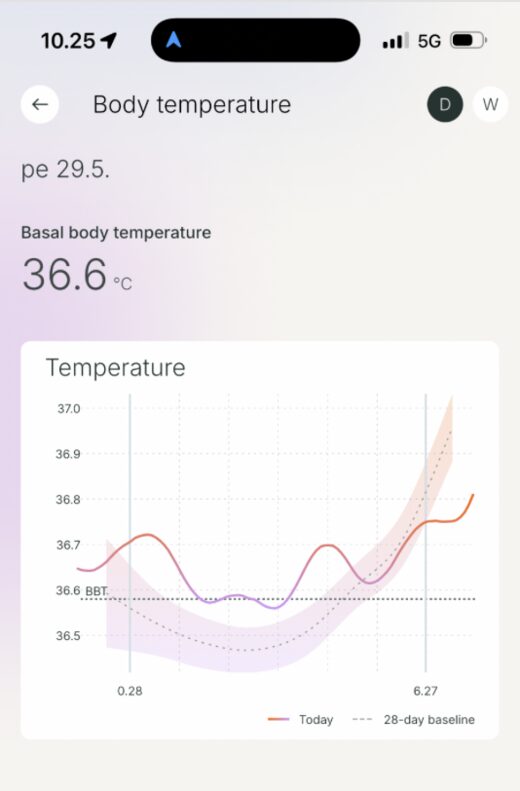
Hot flashes, nights that no longer held together, 4 AM awakenings, and a cycle that stopped being predictable around 40.
A visibly spikier thermal rhythm at night, and a pattern of waking she recognised straight away.
The relief of seeing the pattern at all, then small changes: no late-night work, no late cardio, and a clearer sense of which nights go which way.
Replacing "I've been feeling off" with something she can actually point at.

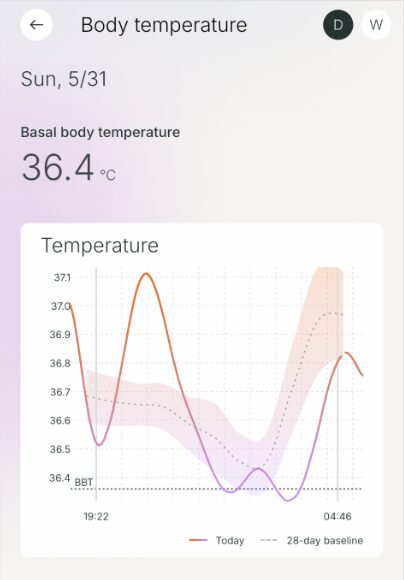
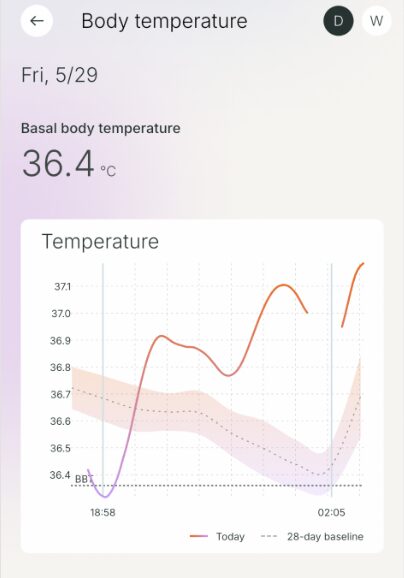
Honoring the female experience across every life stage
Go rhythmic
Visualize the natural fluctuations of your rhythm across days, months, and life stages.
Optimize timing
See how your rhythm moves across a week, and tune activity and rest around it.
Empower change
Transform your relationship with the phases of female life, and gain insights that increase life quality.
The Vire Clip is a consumer wellness product. It is not a medical device, and it is not designed or intended to be used for fertility or conception analysis, or for the diagnosis, prevention, monitoring, treatment or alleviation of any disease or condition. The charts shown are illustrative of the rhythms described rather than exports of any individual's data.