
VIRE WEBINARS
The Journey
Join Antti Immonen for a look at what years of body temperature research, experiments, and prototypes have taught us so far – and where the journey may lead next.
Mar 31, 2026 13:00
45
- 24/7 body temperature tracking is about more than fever. Continuous temperature-related signals may help reveal patterns in sleep, circadian rhythm, energy, metabolism, and thermoregulation.
- Temperature becomes more useful when viewed together with related signals such as heat flux and sweat evaporation, which can add context to how the body is regulating itself across the day and night.
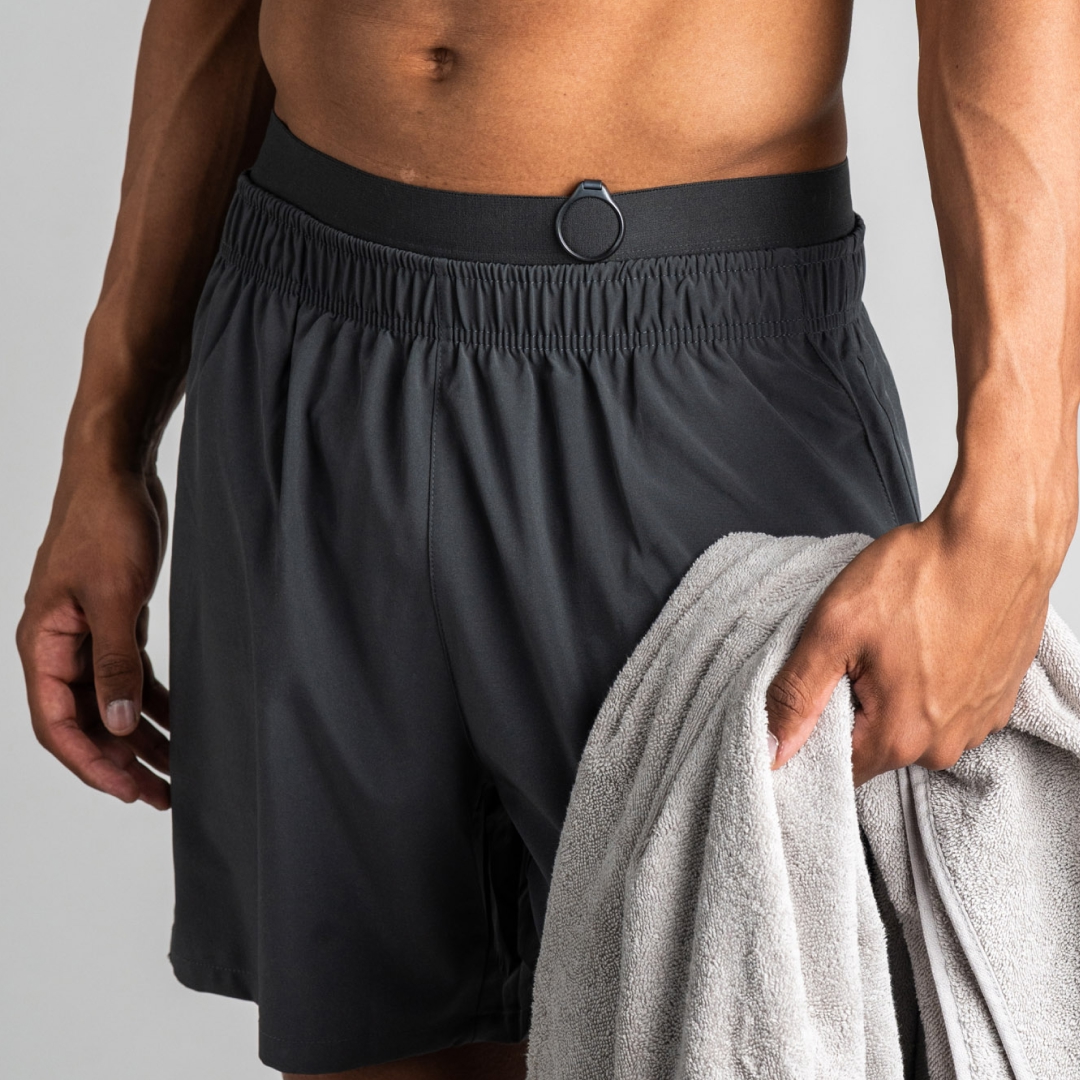
- Measurement location matters. Compared with the wrist or finger, the waist may offer a different and potentially more stable view into temperature-related changes over time because it is closer to the body’s midsection and less exposed to the environment.
24/7 body temperature tracking is about much more than spotting a fever. Continuous temperature-related signals can help reveal how the body regulates heat across the day, how circadian rhythm shifts, and how patterns in sleep, energy, metabolism, and sweating may show up over time. That is what makes around-the-clock temperature tracking an interesting new area in wearables.
What 24/7 Body Temperature Tracking Can Reveal
When most people think about body temperature, they think about a single reading: normal temperature or fever. But 24/7 body temperature tracking offers a broader view.
Body temperature is constantly changing. It shifts across the body, changes over the course of the day, and reflects ongoing physiological processes. In that sense, temperature is not just a health check. It is part of a larger picture that includes thermoregulation, circadian rhythm, sleep, metabolism, and daily energy patterns.
Main topics covered
- 24/7 body temperature tracking as a continuous signal, not a one-time reading
- thermoregulation and how the body moves heat
- circadian rhythm and internal timing
- heat flux, or how heat leaves the body
- sweat evaporation as another useful signal
- why waist-based measurement may offer a different view than wrist or finger wearables
Why Continuous Temperature Tracking Matters
The body is always producing, storing, moving, and releasing heat. Those changes are tied to everyday physiology.
At night, for example, the body needs to cool the core differently than it does during the day. Those shifts connect to sleep and internal timing, but also to alertness, recovery, and energy. That is part of why 24/7 body temperature tracking can be useful: it may help make these changing patterns more visible over time instead of reducing temperature to a single number.
More Than Temperature Alone
Temperature becomes even more interesting when combined with related signals.
One of those is heat flux, which refers to heat moving from the body to the environment. Another is sweat evaporation, which is part of how the body cools itself. Together, these signals can add context to temperature data and help build a richer picture of how the body is regulating itself.
Potential applications discussed included:
- understanding daily physiological rhythms
- seeing how the body responds during sleep and wakefulness
- exploring sweating patterns during exercise
- estimating hydration-related changes
- investigating early signals linked to hot flashes
Why Measurement Location Matters
Measurement site also makes a difference. Wrist and finger wearables can be strongly affected by the surrounding environment. The waist offers a different kind of signal because it sits under clothing and closer to the body’s midsection.
That does not make it a direct substitute for clinical core temperature measurement. But it may make it a useful location for 24/7 body temperature tracking, especially when the goal is to follow patterns in rhythm, regulation, and temperature-related change over time.
Main Takeaway from the Webinar
The key idea is simple: 24/7 body temperature tracking is not just about temperature. It is about understanding the body as a changing system.
When temperature is viewed alongside heat flux, sweat evaporation, circadian rhythm, and thermoregulation, it becomes a much more valuable wearable signal. Instead of just asking whether temperature is high or low, continuous tracking opens the door to asking how the body is functioning across the full day and night.