
VIRE WEBINARS
Timing
Why does timing matter so much for your health? The first part of the Vire webinar series on how to live a more energized, healthier life.
Nov 21, 2025 13:00
45
Main questions answered by the webinar
- Why timing is the next frontier in wearables
- What insights you can get from continuous body temperature tracking
- What's next with Vire
We usually think about health in terms of what we do: what we eat, how much we move, how long we sleep. But timing may be just as important.
The body runs on rhythms. Energy, alertness, recovery, hunger, and sleep all rise and fall across the day. When those rhythms are supported, we tend to feel better. When they’re constantly disrupted, the effects can show up in energy crashes, poor sleep, and a general sense that the body is out of sync.
Why Body Temperature Matters
One of the most interesting ways to understand these rhythms is body temperature.
Not just whether temperature is “normal,” but how it changes across the day and night. Core body temperature is linked to circadian rhythm, metabolism, sleep, and recovery. It helps reveal when the body is gearing up, winding down, or being pushed off its natural pattern.
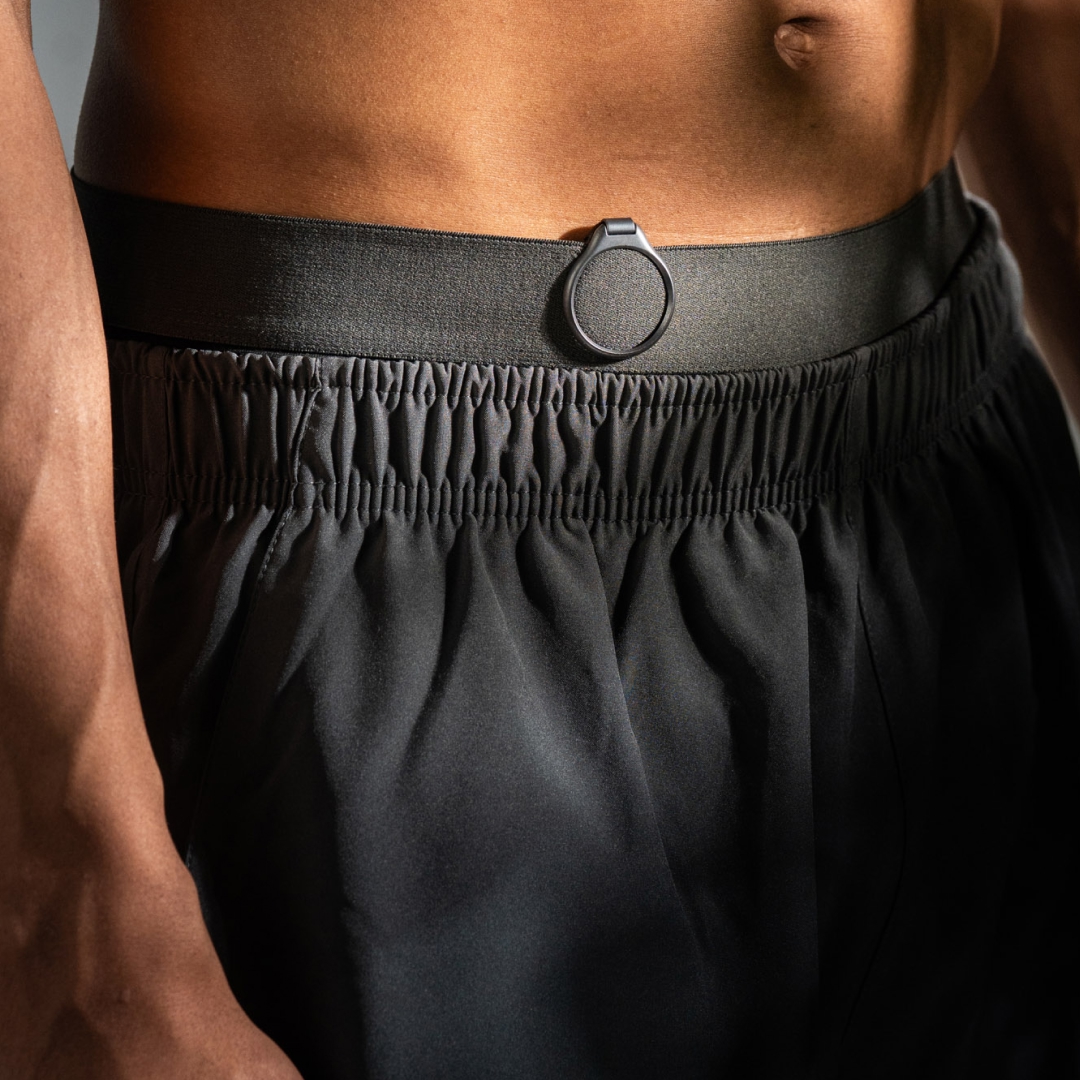
That’s also why measuring closer to the body’s core could matter. Peripheral measurements like the wrist or finger can be useful, but they are also more affected by the surrounding environment. A more central signal may give a clearer picture of what the body is actually doing.
The Body Likes Rhythm More Than We Admit
Modern life makes it easy to live out of sync with ourselves. Late nights, irregular meals, inconsistent sleep, evening stimulation, and changing schedules all add up.
The body, on the other hand, seems to prefer regularity. In a way, it wants life to be a little predictable.
That doesn’t mean every day has to be rigid. But it does suggest that when sleep, meals, movement, and rest happen at roughly the right times, the body can work with less friction.
The Same Habit Can Have a Different Effect Depending on When It Happens
This is where timing becomes especially interesting.
Eight hours of sleep is not always the same if it happens at the wrong time. Exercise late in the evening may affect recovery differently than earlier movement. Even daily energy dips might make more sense when viewed through the body’s internal rhythm instead of just motivation or discipline.
The point is simple: the body doesn’t experience actions in isolation. It experiences them in time.
A Better Future for Wearables
For years, wearables have helped people track steps, sleep, and heart rate. The next step may be understanding timing more deeply.
If we can follow the body’s rhythms more continuously, especially through signals like core body temperature, we may get better insight into sleep, energy, recovery, and metabolic health. Not just more data, but more meaningful data.
That may be where wearables become truly personal: not only telling us what happened, but helping us understand when our body is most ready, most strained, and most in need of recovery.