
"Our bodies are smarter than our brains" – Interview with Chris Vargas
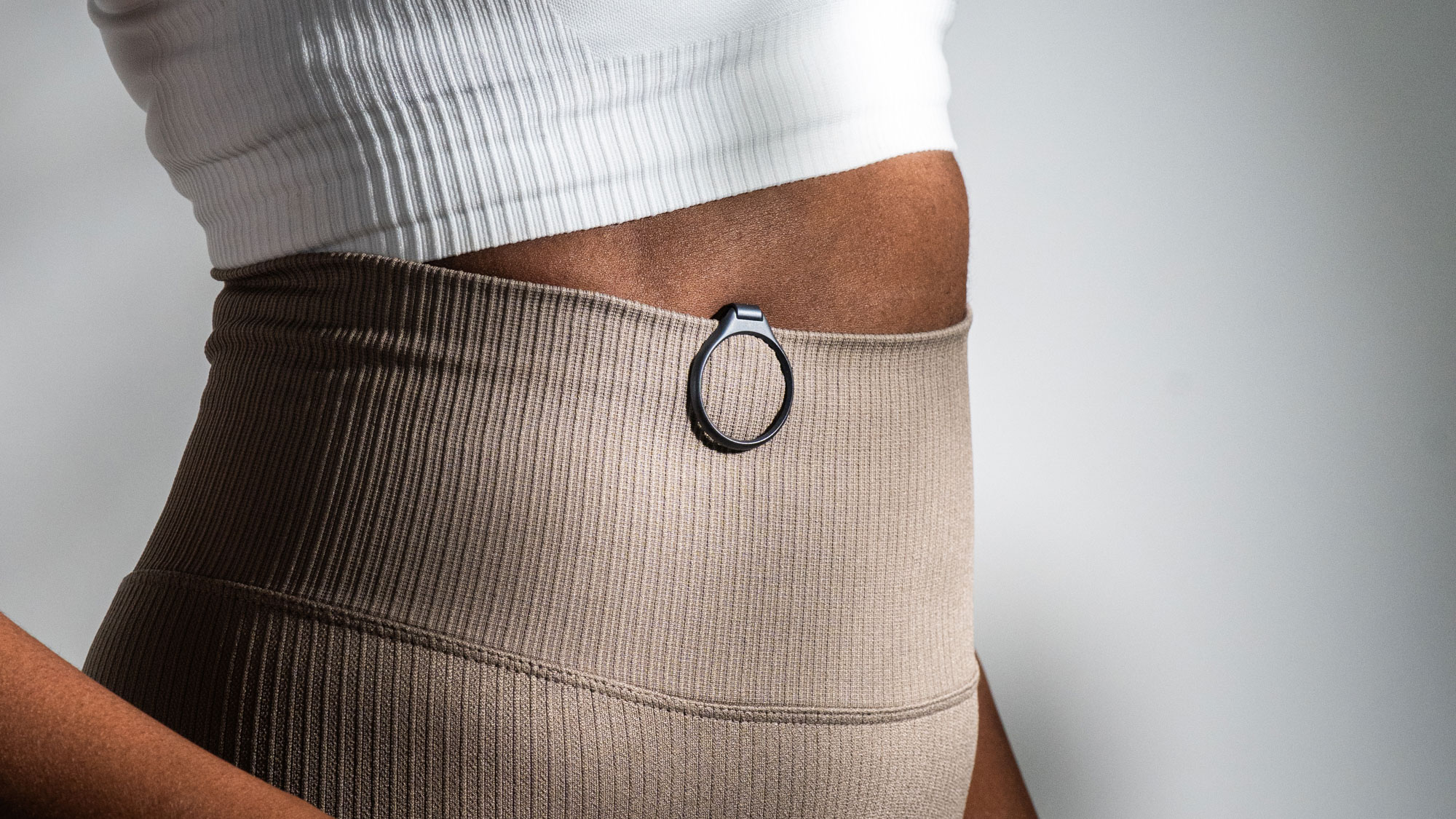
Engineer, triathlete, early Oura backer — and Vire board member — Chris Vargas has worn the Vire Clip daily for a year. He talks data quality, the one metric everyone falls in love with, and why wearables should stop grading last night and start forecasting tomorrow.
"Our bodies are smarter than our brains"
Chris Vargas has spent a career on both sides of the table — engineer by training, Cisco alumnus, founder, CEO, and early-stage investor. He was an early backer of Oura. He does triathlons to relax. And for the past year, he has worn a Vire Clip beta every single day — sometimes even after the battery dies, just so he can show it to people.
We sat down with Chris to talk about data quality, the one metric everyone falls in love with, and why the most exciting thing about the Clip is what it hasn't done yet.
Great data, great insights
A friend and fellow Oura investor introduced Chris to Vire three years ago. He remembers the decision taking about five minutes — for two reasons. The first was wearability: "I love the Oura, but I find wearing rings a bit challenging sometimes." The second was the engineer in him.
His logic runs like a ladder: average data gives you average insights, good data gives you good insights — so what happens when you can capture great data, continuously, from the core?
The night his body disagreed with him
Ask Chris what he actually looks at, and it isn't sixteen dashboards. It's one story his data told him that he couldn't have guessed.
That, he says, is the real product: not the chart, but the decoding. "What does your body really want? Our bodies are smarter than our brains — and these devices can help us surface that."
Forty-seven metrics. We fall in love with two.
Chris's daughter wears a device that reports forty-seven metrics; she checks three or four. On his own ring, Chris tracks two. His theory: nobody wakes up wanting a menu — we each find the one or two numbers that speak to us, and lock in.
The mass-market corollary, in his words: perhaps ten percent of people genuinely understand circadian rhythms and metabolic health. "The rest just want simple recommendations — right now is the optimal time to eat, to take a short nap, to do that workout. Simplify the insight until it's universally understandable, universally actionable, and universally motivating."
Be ten times better — or make a new category
On differentiation, the investor takes over. In a market crowded with rings, straps and watches, he sees two paths: outspend everyone to be ten times better, or introduce something the world hasn't seen.
It's a thesis Vire's own field interviews keep confirming — the moment women see where the Clip sits and what continuous core temperature reveals about their cycle, "the light bulb goes off." (We wrote about six of those stories in Your Body Keeps Time.)
From what happened to what could be
Near the end of the conversation the roles reversed, and Chris asked the questions: what had surprised us most in the field? The answer — audiences light up when wearables stop being retrospective. Most devices grade last night. The opportunity is to forecast: windows for focus, for training, for rest, before they arrive.
Healthspan, not hype
Chris's own dashboard is deliberately boring: is HRV trending up over the years, is resting heart rate staying low, is the body responding well to food and training — measured in months, not mornings. It's a fitting lens from someone who wears the beta with a dead battery just to start conversations: the value of a wearable isn't the data it collects tonight, but the longer, healthier life it can help you engineer.
Chris Vargas is an early investor and board member at Vire. Interview conducted by Gabriel Kolanen for the Vire newsletter; quotes edited and condensed for clarity.